Artist Residency
AVE Doñana III
The Residency
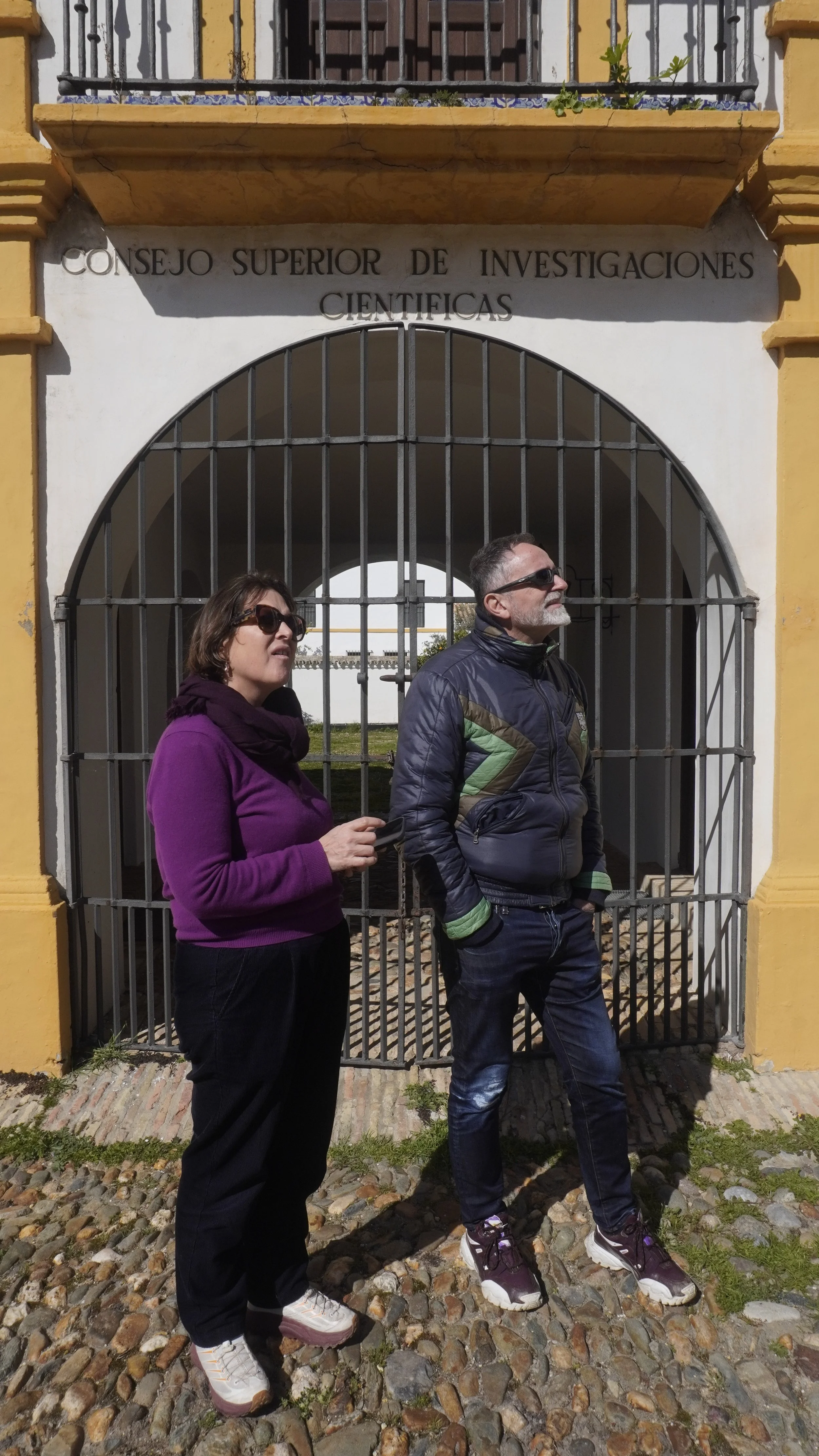
Mariana Bunimov and Dionisio González in Doñana
In its third edition, the AVE Doñana artist residency continues a research tradition developed in the Doñana reserve, where the territory serves as a true natural laboratory. Stemming from an initiative by META Miami, in dialogue with the Doñana Biological Station (EBD-CSIC), and as a continuation of a historical tradition of research surrounding the ecological and cultural value of wetlands, the artist residency emerges as a space for sensitive inquiry, in which artists immerse themselves in the ecosystem to observe, experiment, and generate knowledge through direct experience. This initiative was made possible by institutional openness and support, which enabled close collaboration with those who research and preserve this environment.
For this third edition, the project featured Mariana Bunimov as the artist-in-residence, alongside Dionisio González as an invited artist, whose long-standing relationship with the territory allowed for a complementary, multi-phase investigation of the reserve.
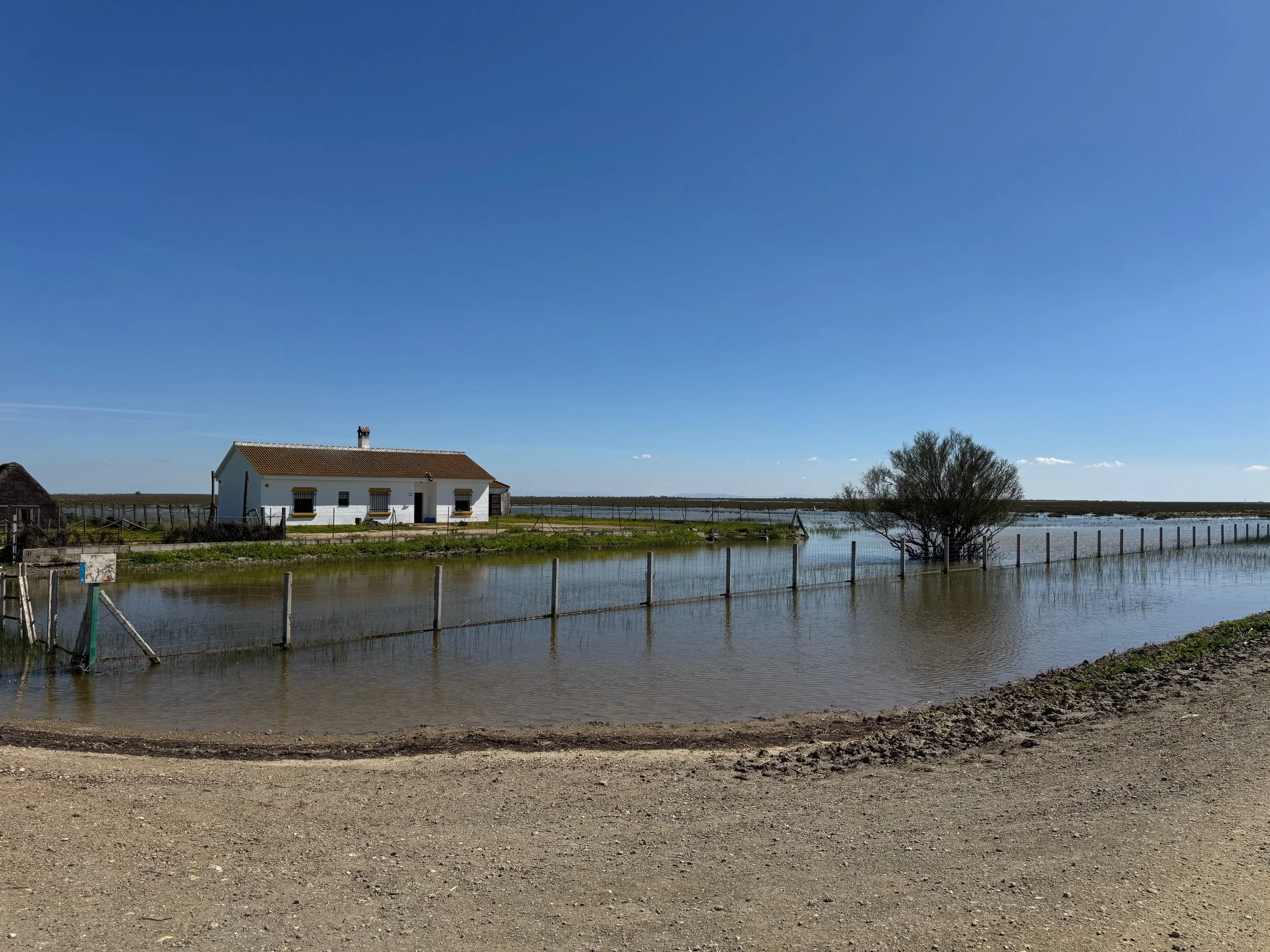
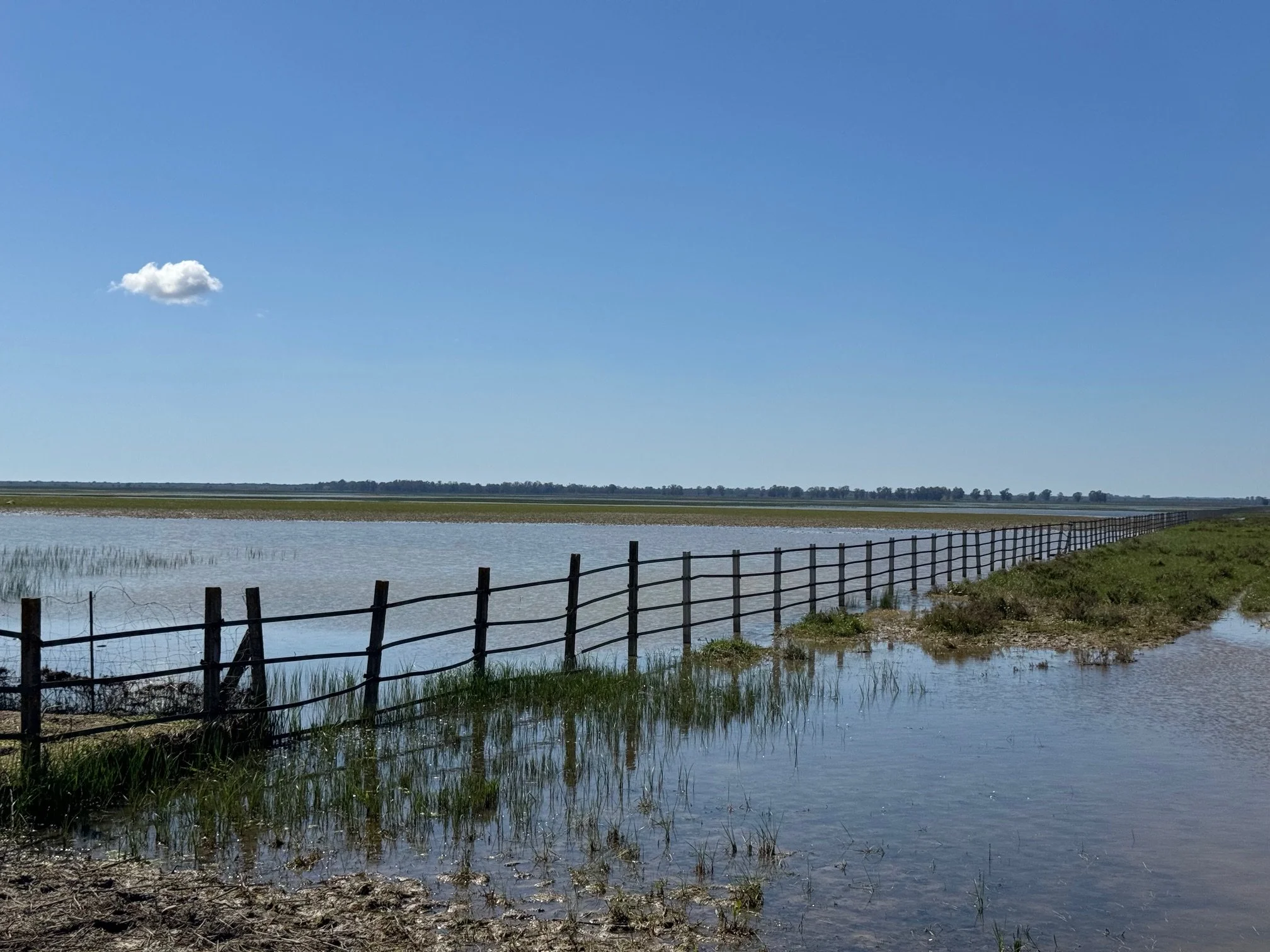
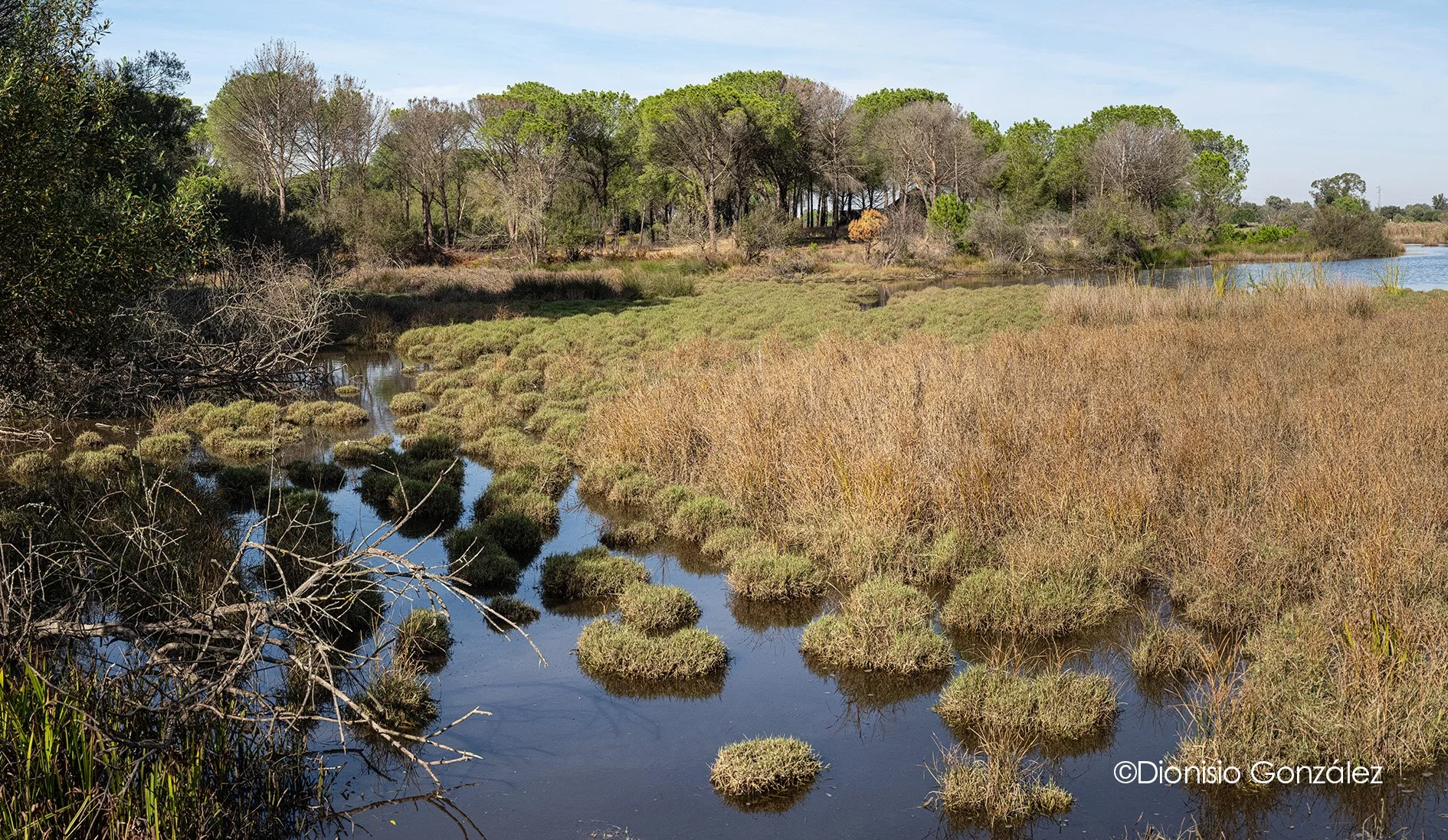
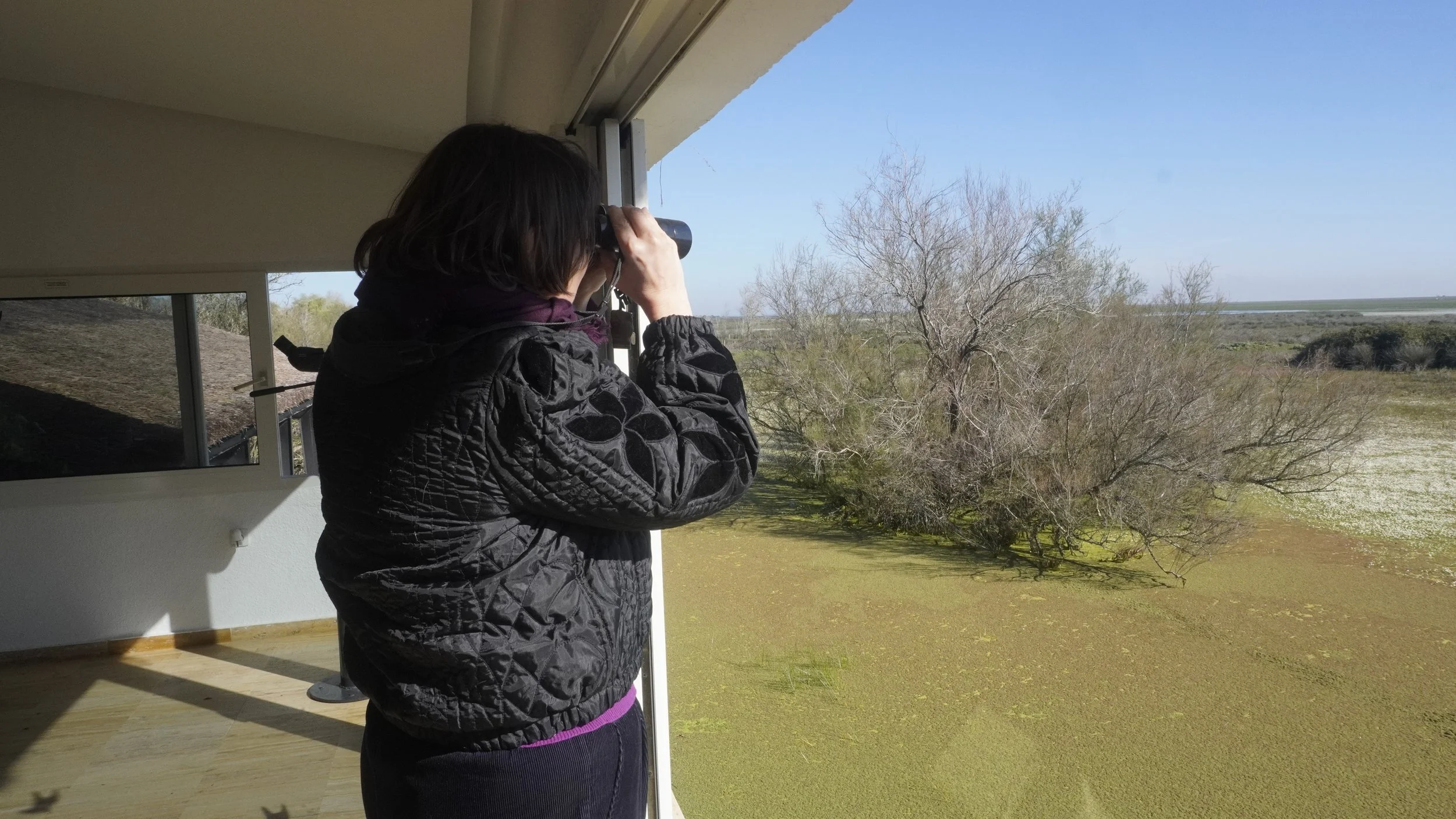
Within this framework, Mariana Bunimov’s residency was marked by a ten-day continuous immersion inside the reserve. Her experience unfolded in a singular context: sunny weather, strong winds, and a flooded marsh after years of drought, shaping an exceptional landscape both visually and ecologically.
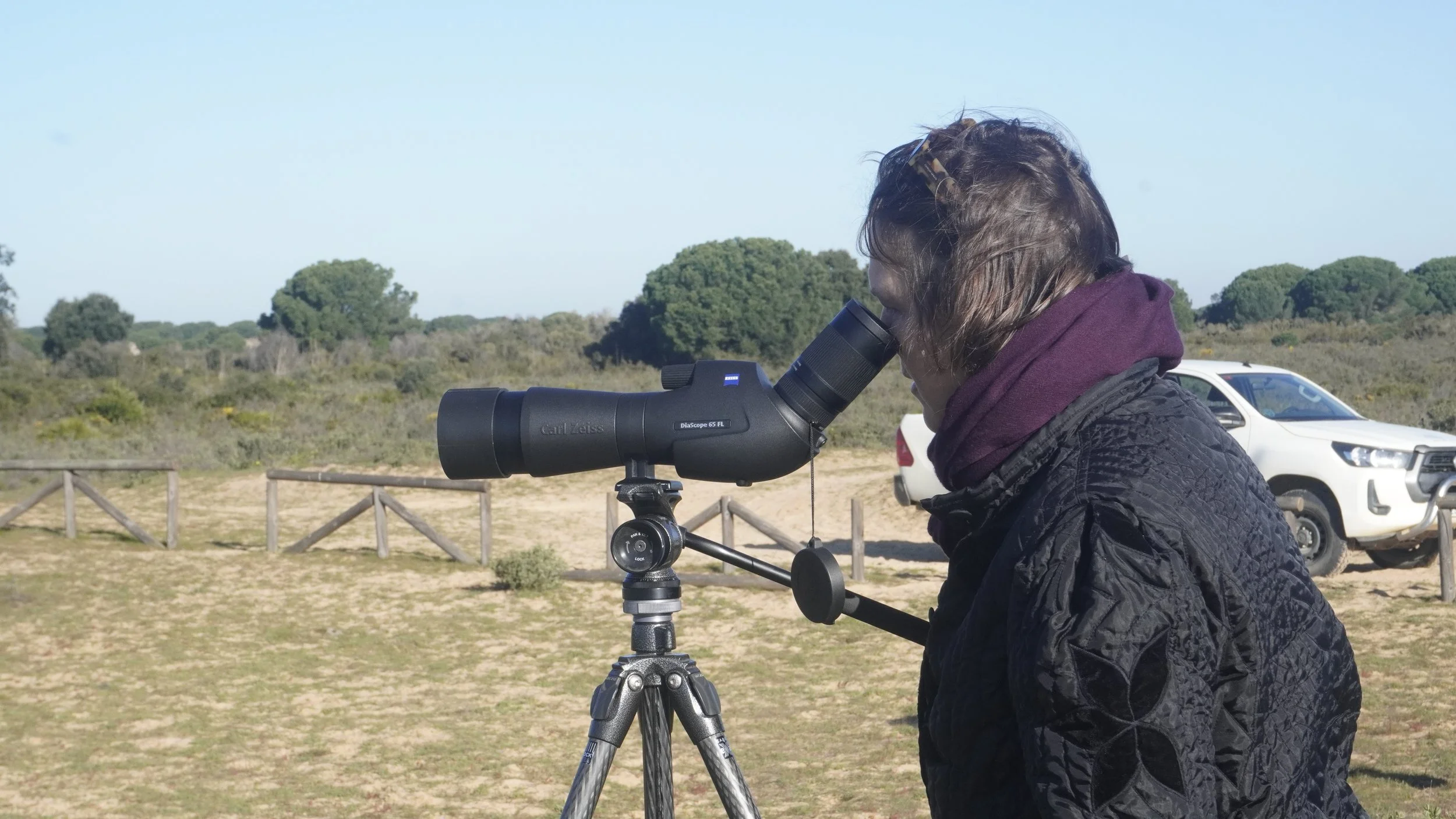
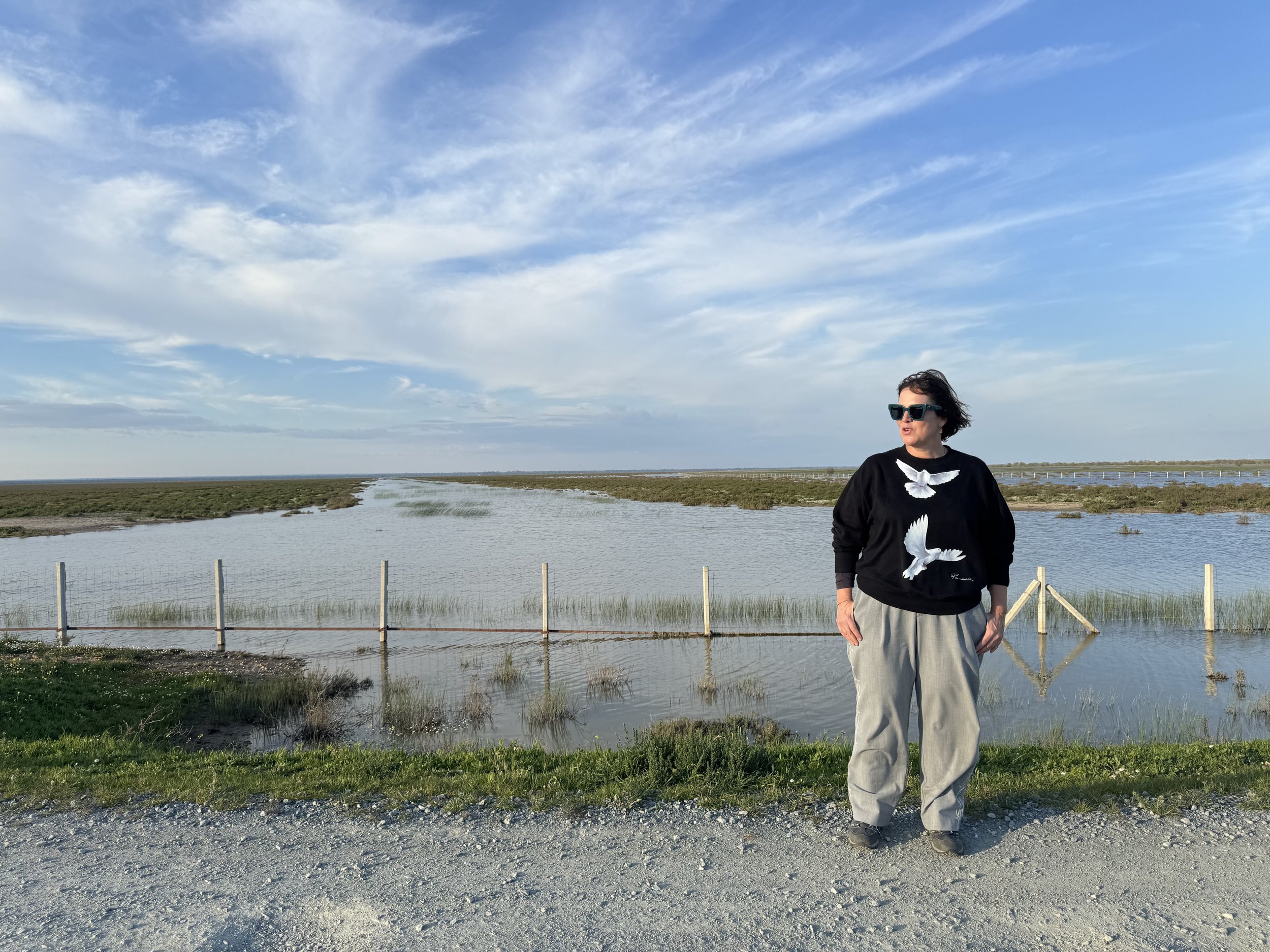
Mariana Bunimov learning about the turtle population in Doñana.
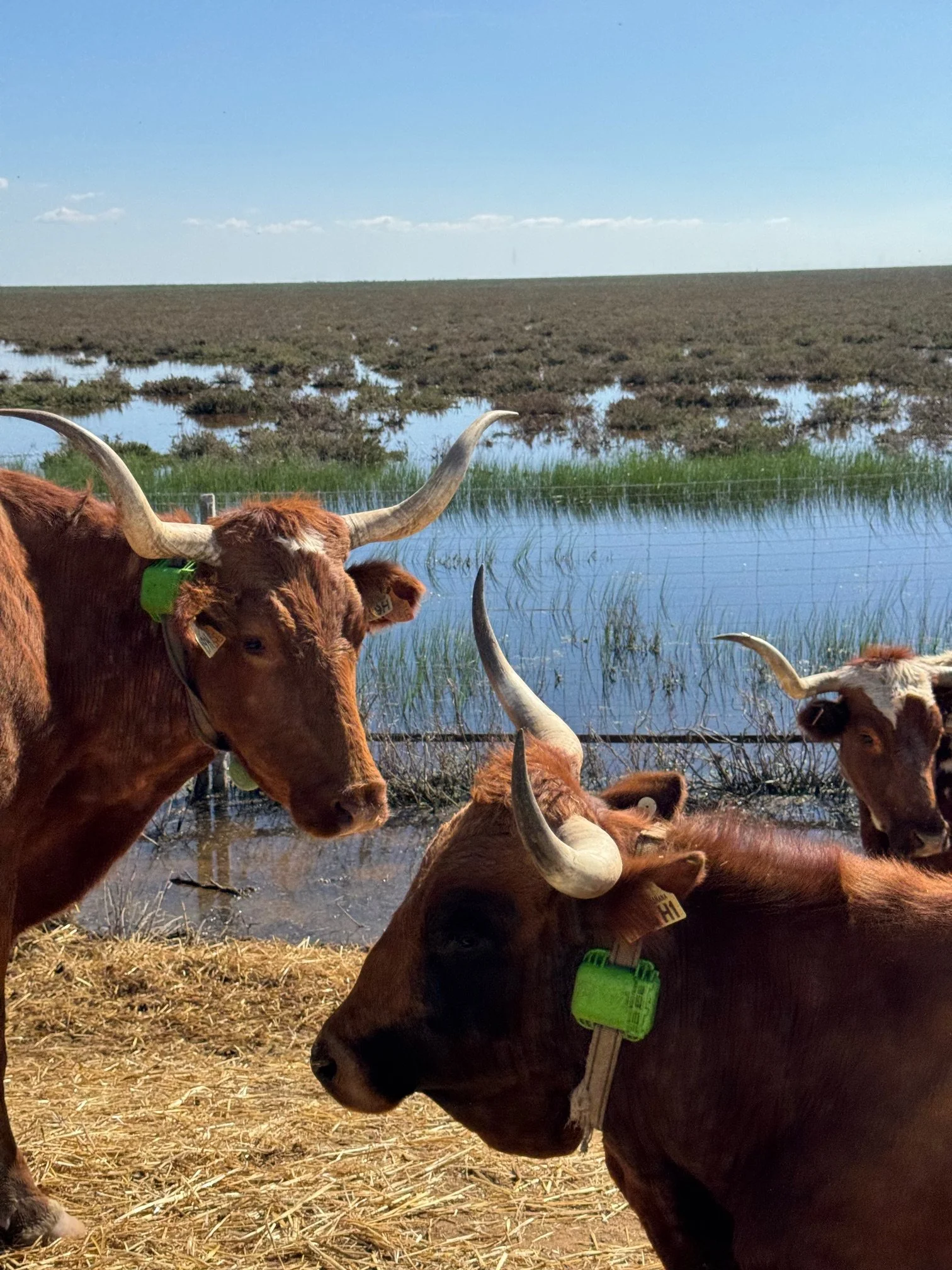
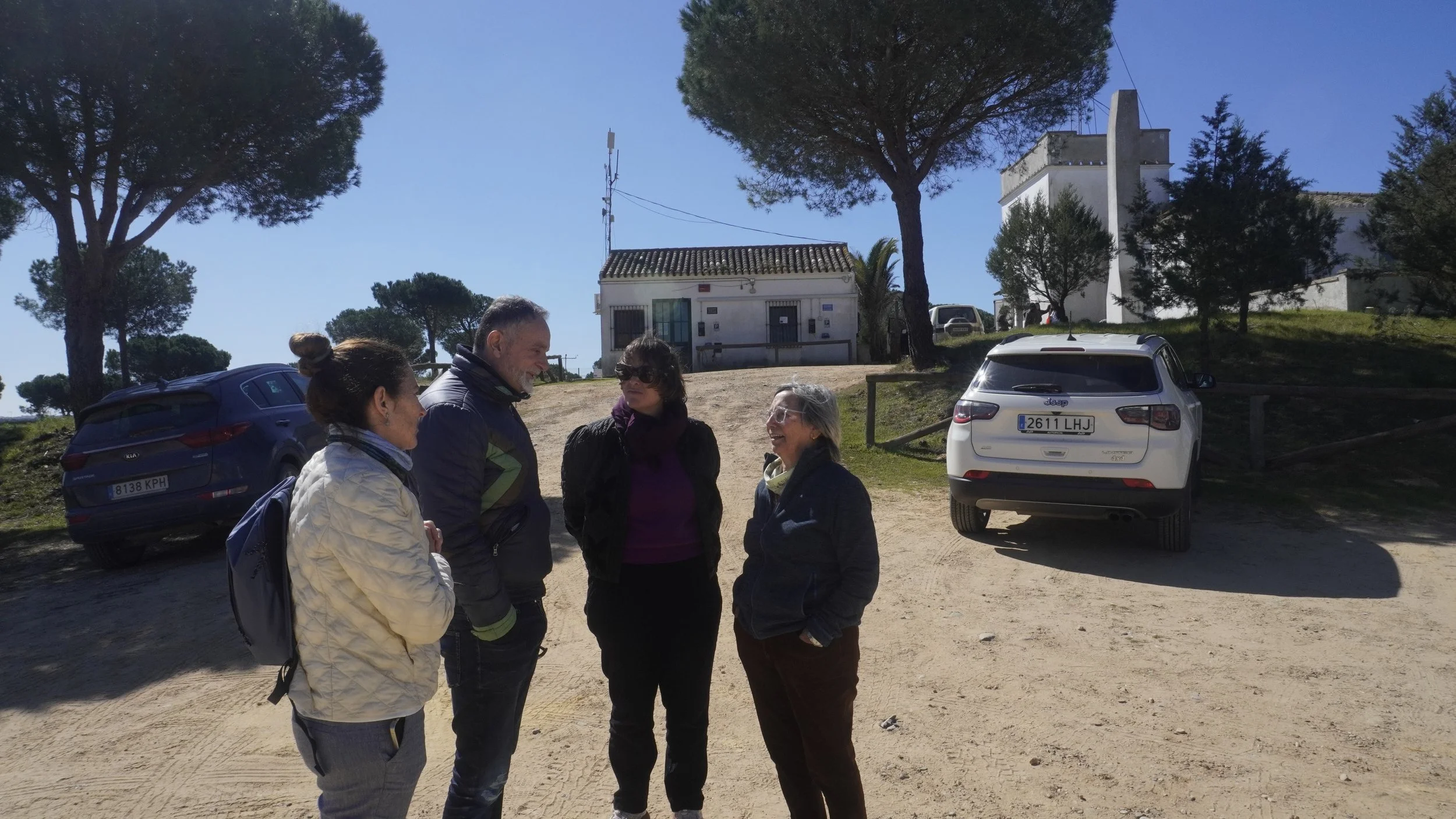
Her work process unfolds from an open logic, shaped by the emotional, the political, and the contingent. The experience of living in the La Venta house, sleeping in the solitude of the vast expanse, observing the marsh, traversing dunes, beaches, and forests, as well as participating in scientific activities—such as searching for turtles with Poli, checking on the horses alongside Chans, learning about the depth of Vilches' raptor studies, and engaging with technical staff—was all transformed into research material. These experiences fuel a contemporary conception of landscape, understood as a field of constantly evolving relationships.
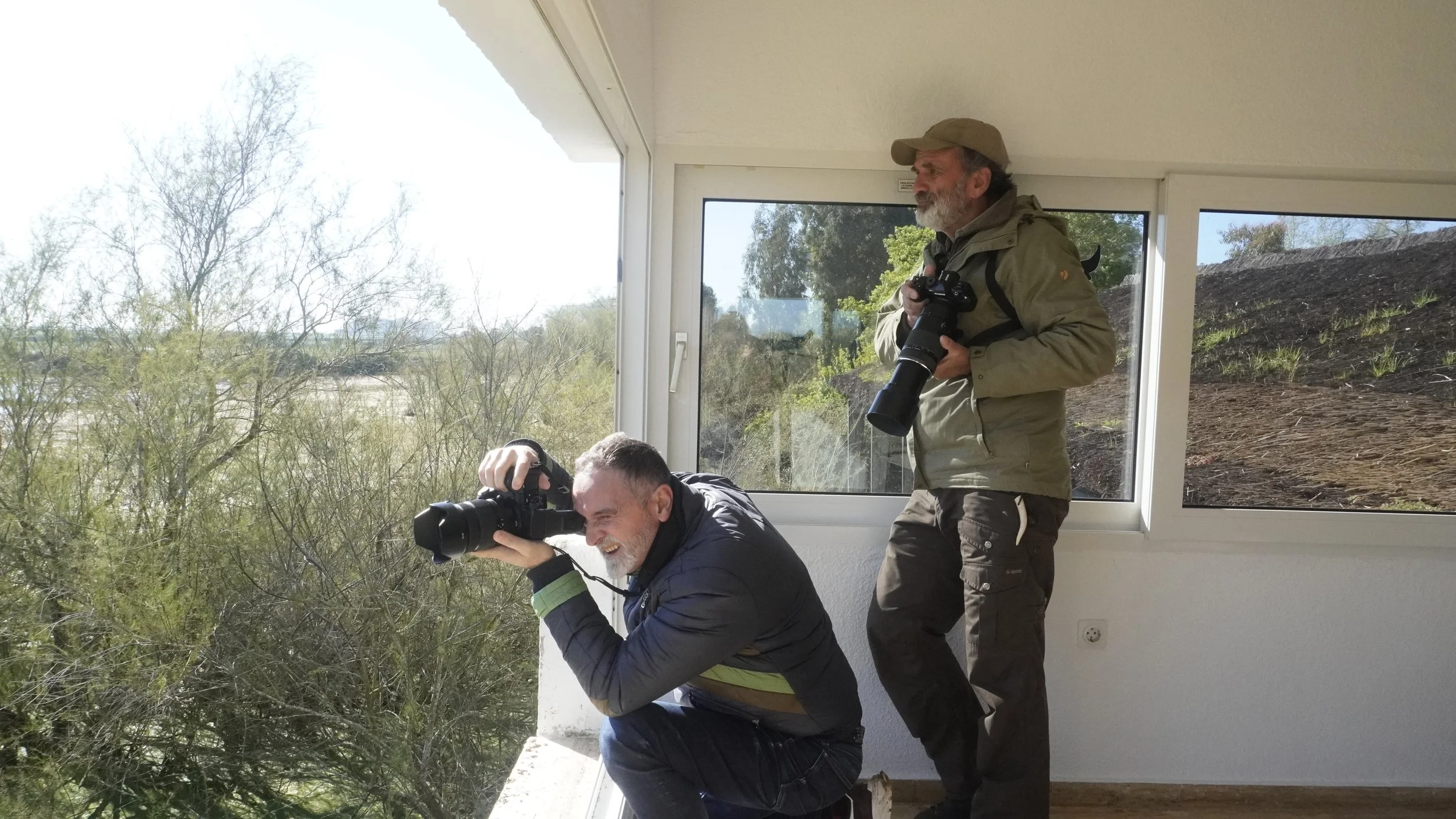
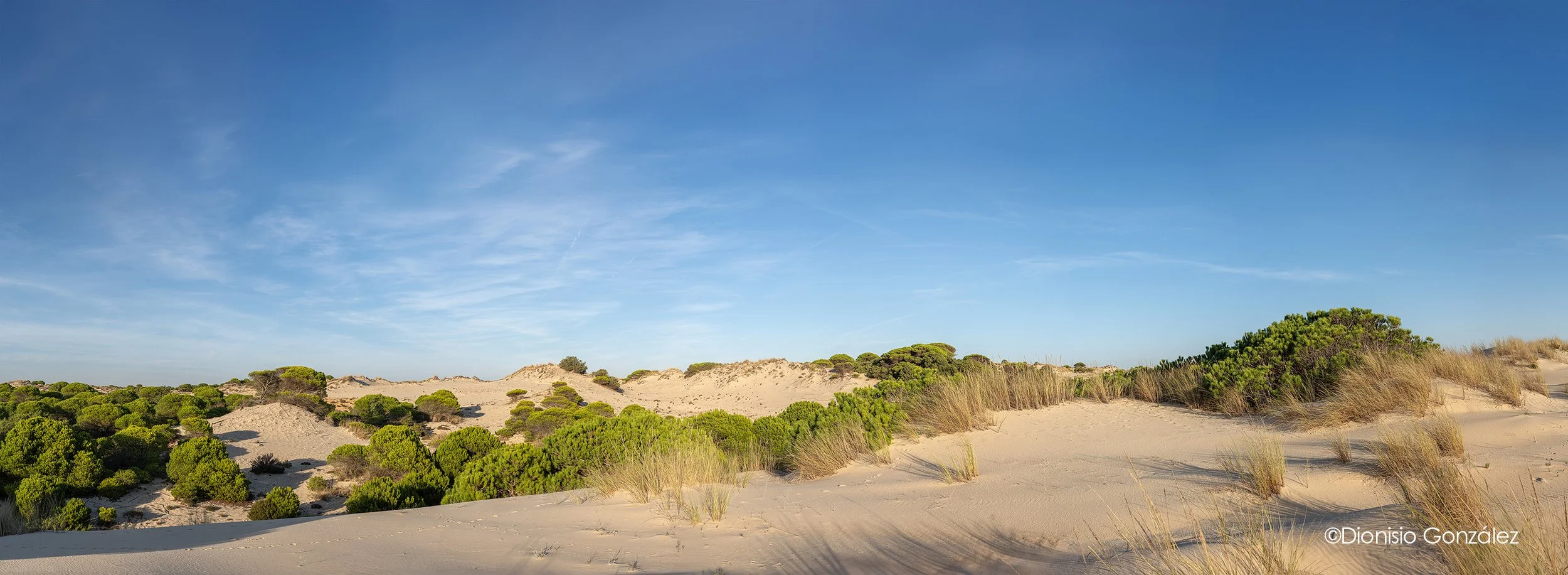
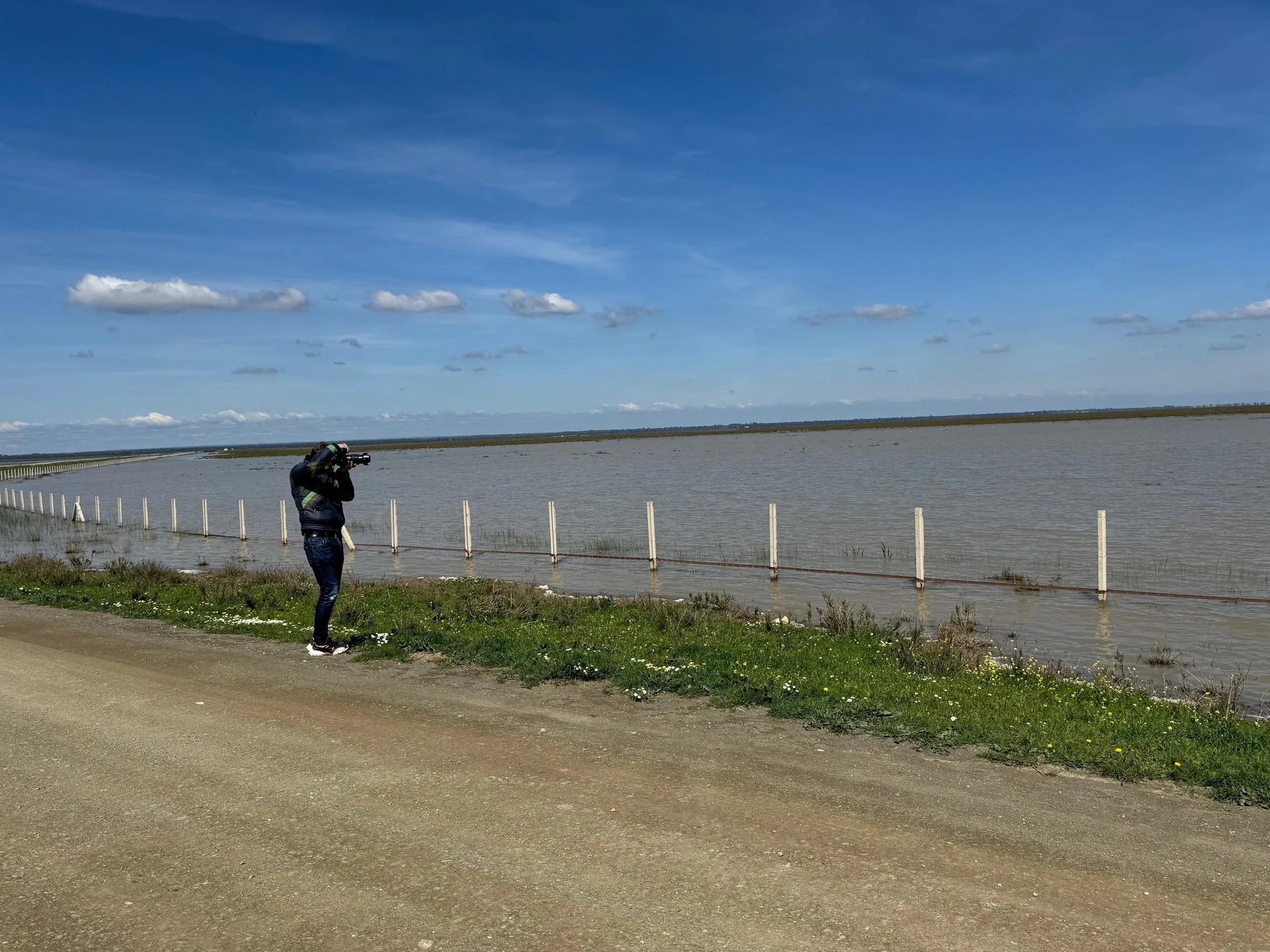
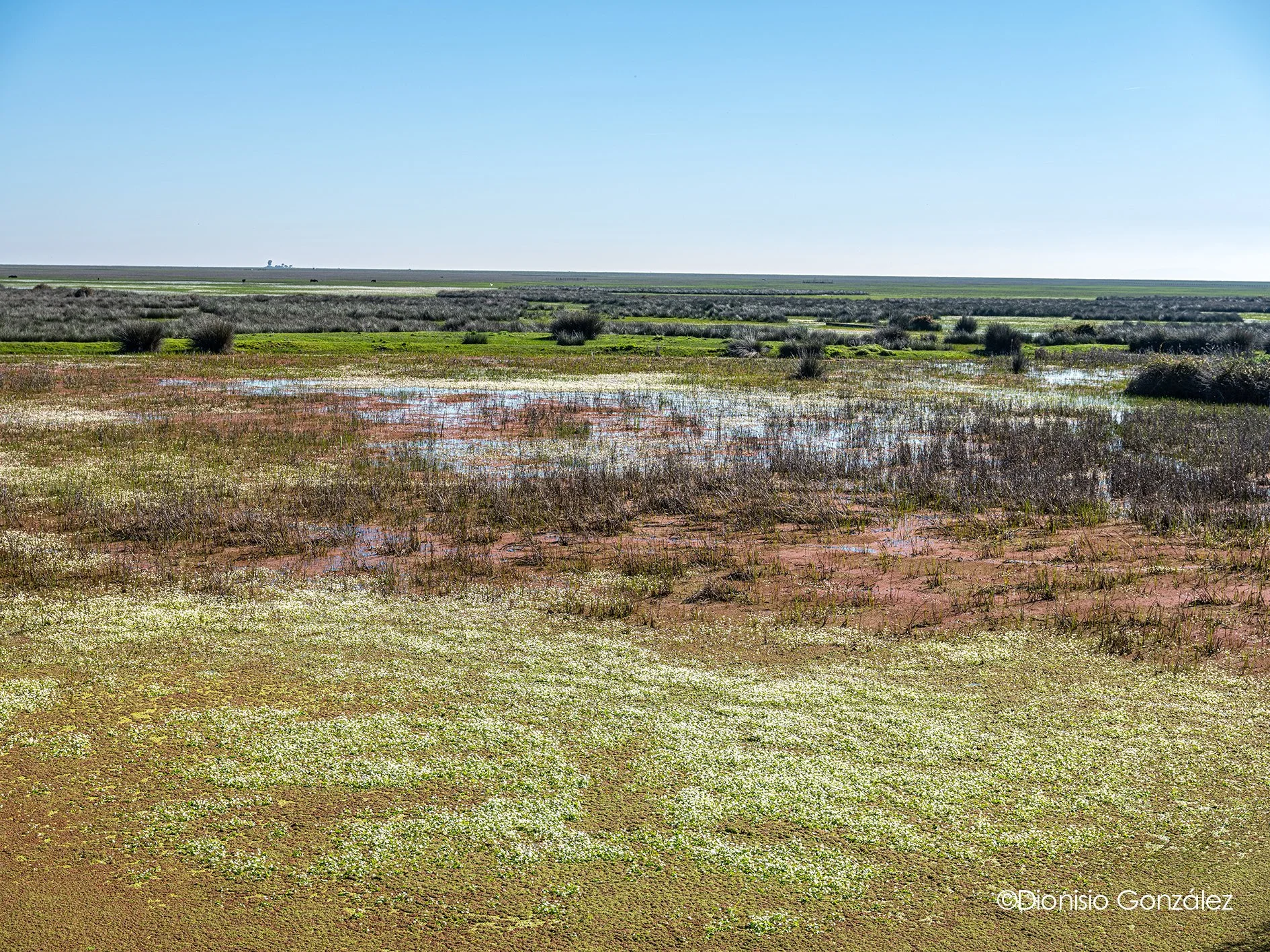
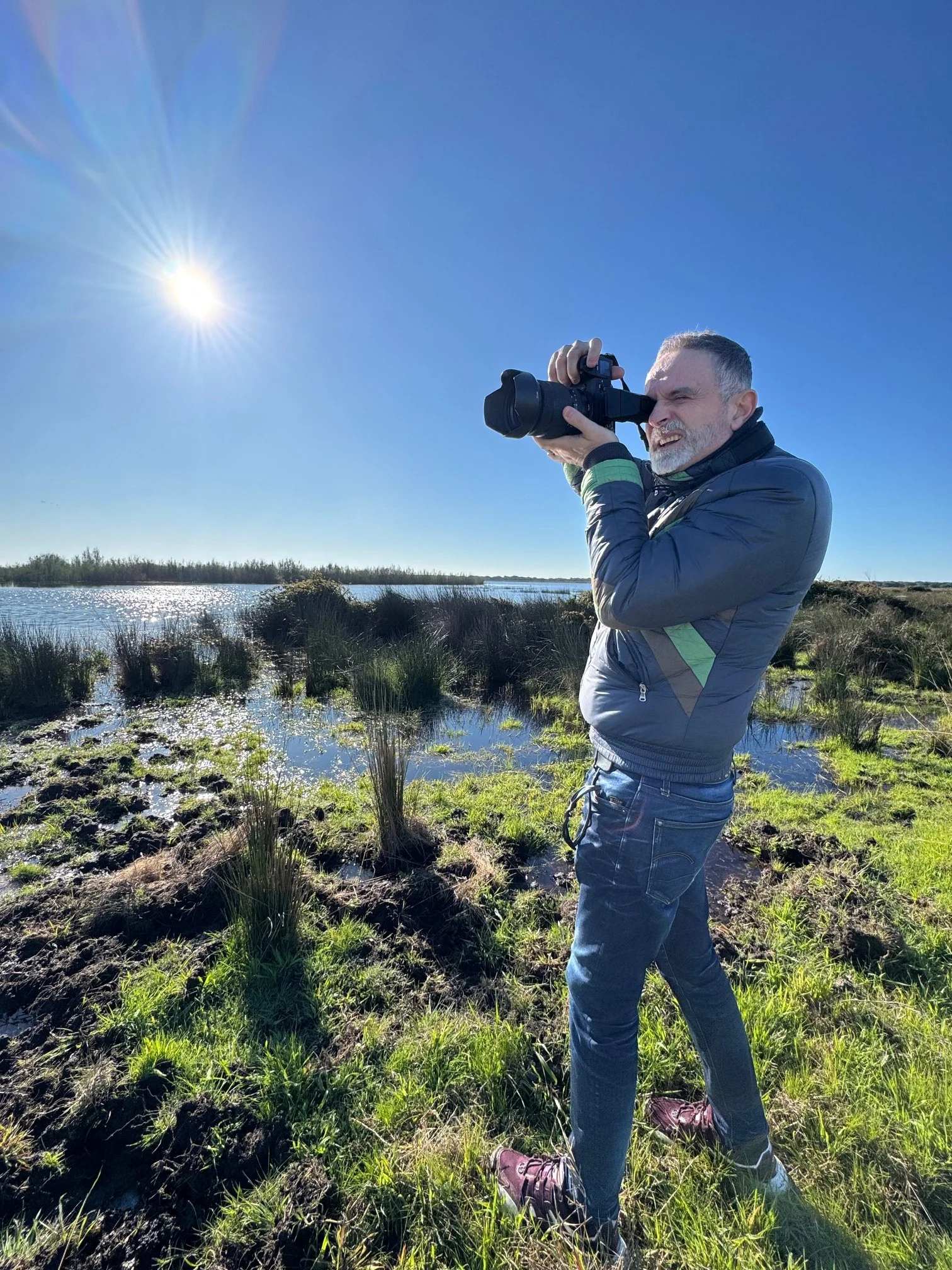
Dionisio González capturing the beauty of Doñana.
While Mariana completed the full-time residency, Dionisio González participated as an invited artist, accompanying Mariana on the initial field exploration and subsequently conducting a series of independent research visits. Through this collaboration, he accessed areas of the Doñana National Park that are usually restricted to researchers—many of which he had not known about despite his prior connection to this territory since childhood.
Rather than proposing a short-term immersive stay, his approach—facilitated by the proximity of his primary residence to the park—has been progressive and sustained over time. Building on these initial visits, the artist has continued visiting the park and reserve periodically across different seasons, observing how landscape transformations—marked by water cycles, species migration, and climate variations—alter both its physical form and its meaning.
This prolonged experience has allowed him to develop a more complex and nuanced understanding of the environment, not only from an aesthetic perspective, but also from a scientific and ecological one. In direct contact with research teams—as well as independently—and with the internal dynamics of the ecosystem, González has built a perspective that combines documentation, interpretation, and critical reflection. In fact, this process remains ongoing and forms part of the development of a documentary project, in which the artist seeks to capture not only the visual uniqueness of Doñana, but also the tensions, fragilities, and invisible processes that shape this natural space.
The AVE Doñana project is defined by the encounter between artists and scientists, where different forms of knowledge recognize and complement one another without losing their specificity. In this context, the work of the Doñana Biological Station has been oriented toward understanding, from a multidisciplinary perspective, how biodiversity is generated, transformed, and preserved.
Whether through intensive residency immersion or sustained periodic field study, each artist builds a unique relationship with the environment. The richness of the project lies precisely in that diversity: fostering encounters and opening new ways to understand the territory through contemporary art. In this intersection of perspectives—between art and science—a broader understanding unfolds, allowing us to recognize that observing and creating are also forms of caring.
In this third edition, we would like to highlight the enthusiasm and energy with which the artists embraced this residency in a demanding and austere environment, reaffirming the significance of immersion as an experience of openness and transformation. Ultimately, the photographs gathered here showcase the artists’ experiences and how art and science enrich one another while celebrating the beauty and value of Doñana.